
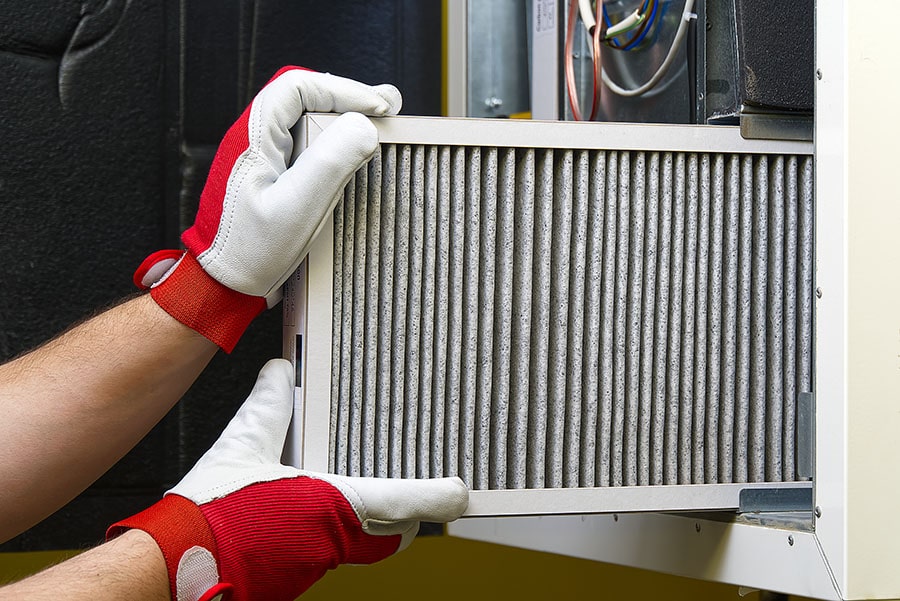
When you think of indoor mold problems, what typically comes to mind? You might envision badly ventilated bathrooms or hidden plumbing leaks – but what about HVAC systems? Fungi can actually gain a foothold in ductwork, HVAC equipment, and meshed surfaces, so finding mold on furnace filters is a problem.
Visible growth is one of the first signs that mold has infested your HVAC system, and that’s not a situation that can wait long for HVAC repair in Newport News, VA. Hats Off Heating and Air Conditioning provides some tips below if your mold issue has already made its appearance.
What Causes Mold on Furnace Filters?
Why would mold take root in a furnace filter? Doesn’t its position in the return register guarantee consistent airflow, which should prevent the spores from rooting and reproducing? That would be true if the furnaces, boilers, and other heating systems you rely on didn’t go for long periods without use during Newport News’ long, humid summers.
The stagnant summer moisture can quickly leave you with a moldy furnace filter, but other contributing factors are:
- Airflow restrictions
- Neglecting to clean or change your unit’s filter
- A lack of HVAC maintenance
Mold in furnaces can also mean more pervasive issues inside your home or business, so pay close attention.
How Can You Tell Mold Might Be an HVAC Concern in Your Newport News Building?
Furnace filter mold issues could be a symptom of a more prevalent HVAC infestation. Go ahead and change the filter, but when you run your furnace, look for these signs that the issue runs a little deeper than an old filter:
- Musty odors coming from the vents: Stand near a vent to see if the air coming from it smells off-putting. Mold smells musty, sour, or stale, depending on its species.
- Respiratory or sinus symptoms suddenly showing up: While your furnace runs, see if nasal or throat congestion comes out of seemingly nowhere. You might also develop a mild cough or start sneezing if the mold triggers your allergies.
- Moisture or puddles around the furnace equipment: Mold on furnace filters might have started somewhere else. Check the indoor and outdoor equipment for condensation or puddles around the base.
- Noticeable mold growing in other HVAC-related areas: Inspect duct openings, heating equipment, and surrounding structures for fuzzy gray, brown, or black growths. If you discover these moldy patches elsewhere, the mold has spread.
HVAC mold is a huge health hazard. If you see it, turn off your furnace and call an HVAC technician in Newport News, Virginia.
Is Mold Dangerous on a Furnace Filter?
Since HVAC-related mold isn’t confined to a single building area, it can quickly become serious. The system spreads those spores throughout your home or business. Widescale infestations are possible in a short time.
With mold, expect your indoor air quality to take a massive hit. Plus, your health, energy levels, and property value are all at stake without professional mold intervention.
What Should You Do About Moldy Filters?
If you discover mold in the furnace, shut it down. Don’t even use the fan setting to circulate air.
Contact an HVAC company to inspect the equipment, ductwork, and vents before testing your indoor air quality. The technician may recommend duct services, HVAC repairs, and general maintenance to nip any organic growth in the bud.
Ask Hats Off Heating and Air Conditioning About What To Do Next
Mold on furnace filters isn’t a problem you should ignore. While preparing your furnace for winter in Newport News, Virginia, contact Hats Off Heating and Air Conditioning. Our tune-ups keep your HVAC system energy-efficient, clean, and healthy!
Frequently Asked Questions About HVAC Mold in Newport News, Virginia
Air filter mold may not seem urgent, but you need to know what you’re dealing with to stay safe. See our answers to common customer inquiries below.
How Much Does HVAC Mold Removal Cost?
HVAC mold removal can cost upwards of $10,000, especially in severe cases. Mitigating a minor mold infestation may cost as little as $600, so early action is key.
Can I Use My Homeowners’ Insurance To Cover HVAC Mold?
You probably can’t use your homeowners’ insurance to cover HVAC mold unless the mold develops from a leak or water damage event described in your policy. Check with your insurance company’s representatives.
Should I Always Contact Professionals About Mold on a Furnace Filter?
Yes, you should always contact professionals about mold on furnace filters. It’s better to be safe than sorry. Problems like mold can significantly impact your health and decrease property value.

